
The insurer paid
less than the repair.
We collect the rest.
Carriers write estimates below what a proper repair costs, and the gap lands on the shop or the customer. Fender Financial takes assignment of that unpaid balance and pursues the insurer ourselves. When another driver was at fault, we collect the diminished value with it. Pick the page that fits you.
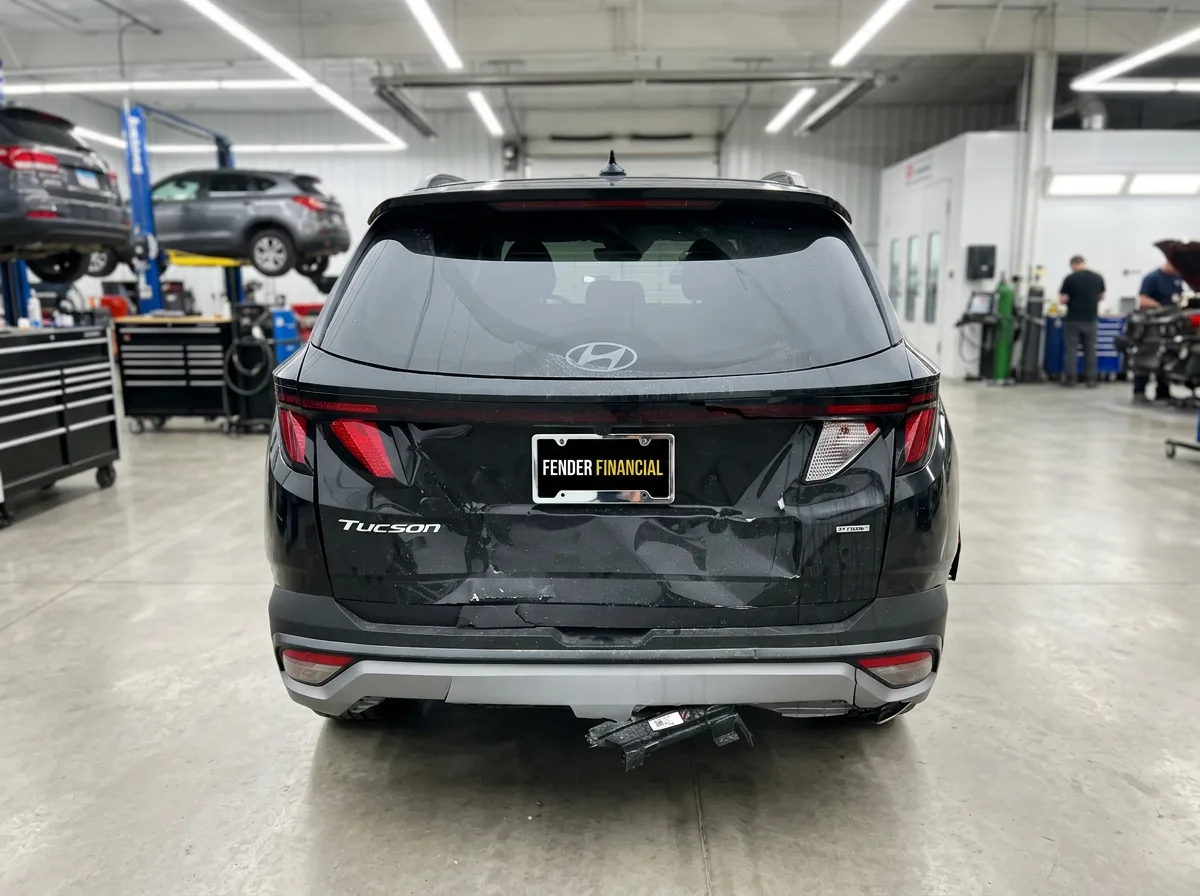
Which one are you?
Short pay, diminished value, or both. What we need from you and how you get paid depends on who you are.
Stop eating the short pay.
When the carrier's estimate comes in under yours, refer the repair order from your shop portal. The customer assigns the unpaid balance to us, you close the job, and we take the fight to the insurer. Where another driver was at fault, we collect the diminished value too.
Become a shop partnerVehicle ownersYour shop refers it. You sign once on your phone.
Claims come to us through partner body shops. When the insurer short-pays your repair, your shop refers the repair order, you sign a short assignment by text, and we pursue the insurer at our own cost. Where another driver was at fault, we collect the value your car lost too and send you the recovery less a flat $350 fee. Nothing to pay, ever.
How it works for ownersPersonal injury firmsYour client's car lost value too. We collect it.
Refer the property damage piece and keep your injury case yours. We buy the claim, pursue the carrier at our own cost, and forward the recovery less our fee to your client. No cost, no staff time.
Partner with usRental, leasing & commercial fleetsEvery third-party hit is a claim you own.
Stop writing off short pays and diminished value on fleet units. One portal, one upload per vehicle, and we pursue the insurer.
Talk to usA short pay is a claim. We treat it like one.
Most shops write the shortfall off or chase the customer for it. Neither is the insurer's problem. We make it the insurer's problem.
- 01
The carrier short-pays the repair
Their estimate comes in under the shop's, or a supplement goes unpaid. The difference is a real debt the insurer owes under the policy, whether it is the customer's own carrier or the at-fault driver's.
- 02
The customer assigns the balance to us
The shop refers the repair order from its portal. The customer signs a short assignment on their phone. From then on the shop looks to Fender for the balance, not to the customer.
- 03
We pursue the insurer
Our team puts the repair documentation and the policy in front of the carrier, invokes appraisal where it helps, and files with the state department of insurance or in court when it doesn't. We carry the cost and the risk.
- 04
Everyone gets paid from the recovery
The shop is paid the balance, the customer owes nothing more on the repair, and where another driver caused the loss the diminished value is collected alongside it.
The repair fixes the car. It doesn't fix the price.
Once a vehicle has an accident on its history report, buyers and dealers pay less for it, no matter how good the repair. That gap between what the car was worth before the crash and what it is worth after is called diminished value.
When another driver caused the accident, their insurer owes the owner for that loss in addition to the repair. Most owners never collect it, because proving the number and pushing the carrier takes time, evidence, and persistence.
Fender Financial collects it as part of the same claim. On a short pay we pursue the diminished value alongside the unpaid balance; where a partner shop or firm refers it on its own, we buy the claim outright and pursue the insurer at our own cost. Our attorneys build the market evidence. The recovery less our flat $350 fee goes to the owner. There is no cost to the owner or to the partner who referred them.